
-
-
Application of Synthetic Biology-Based Novel Ingredients
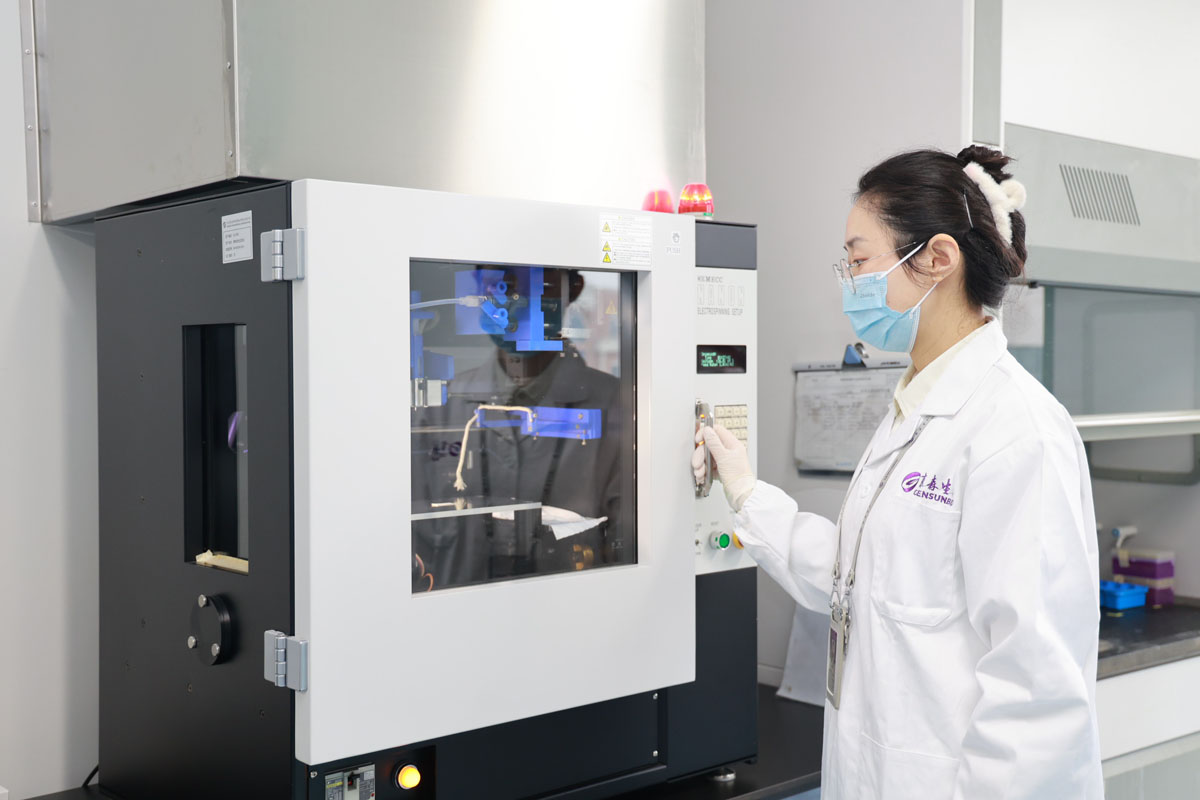
Synthetic biology-based novel ingredients offer new possibilities for various fields, including biomedicine, medical aesthetics, and cosmetic skincare. In the cosmetics sector, research is conducted on the process development and product innovation of new biological ingredients, exploring the application potential of independently developed solutions. This aims to provide clients with new skincare ingredients that are gentle, safe, and exhibit enhanced functionality and compatibility.
-
-
Application of Synthetic Biology New Materials
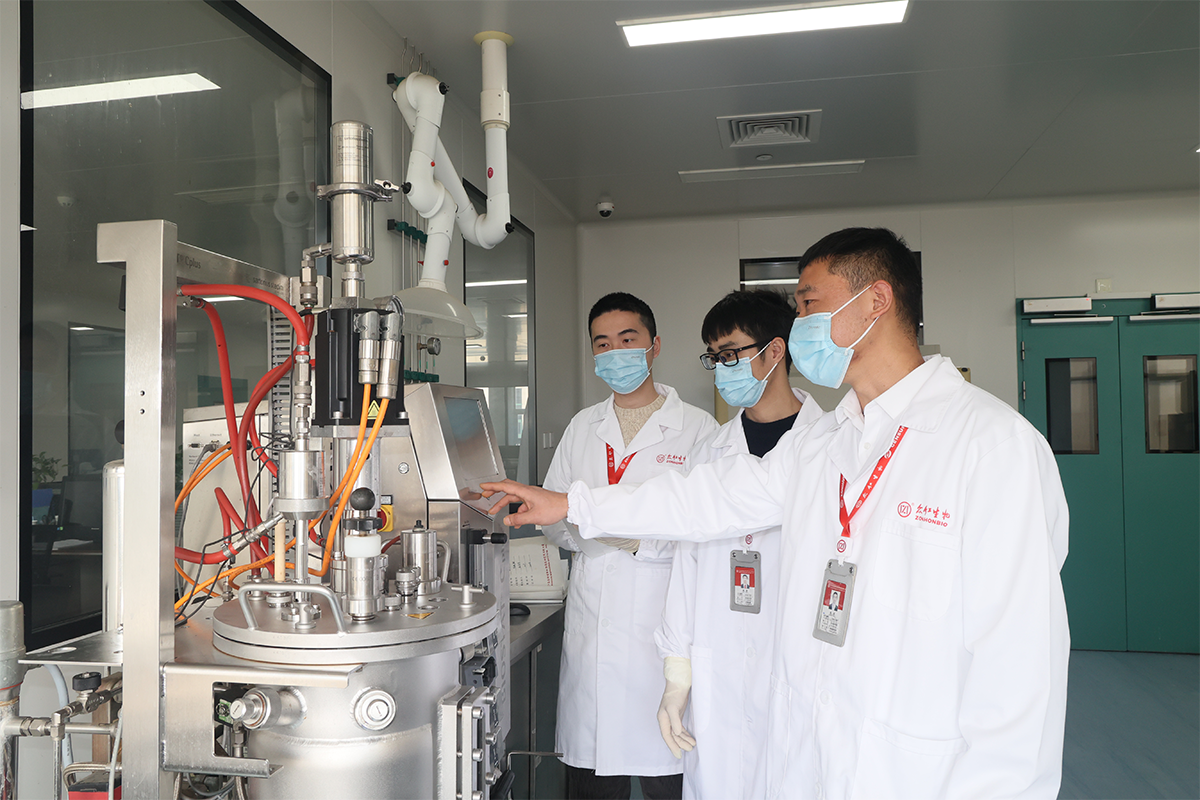
Synthetic biology new materials provide new possibilities for multiple fields such as medicine and tissue engineering. In the field of implantable medical devices, conducting process research and product development for these devices, and exploring the application potential of independently developed biological new materials aims to provide patients with implantable medical devices that offer superior biocompatibility, enhanced functionality and biomimicry, and can better adapt to tissue environments and facilitate tissue repair.
-
-
Application of Synthetic Biology-Based Novel Ingredients
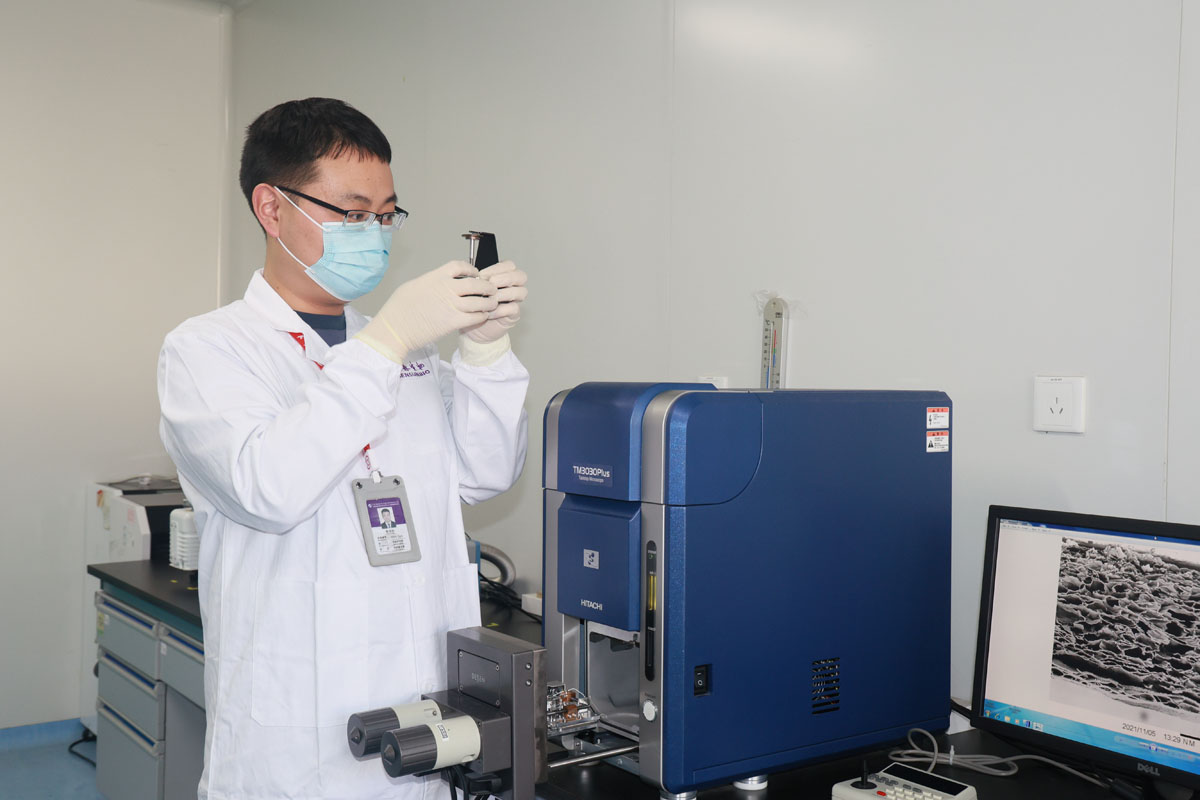
Synthetic biology-based novel ingredients offer new possibilities across multiple fields, including biomedicine, medical aesthetics, and cosmetic skincare. In the medical aesthetics sector, research is conducted on the process development and product innovation of new aesthetic ingredients, exploring the application potential of independently developed solutions. This aims to provide clients with novel medical aesthetic ingredients that exhibit superior biocompatibility, enhanced functionality, and adaptability, better integrate with tissue environments, and deliver immediate, high-efficiency results.
-
-
Cosmetic Material Molecular Design Platform
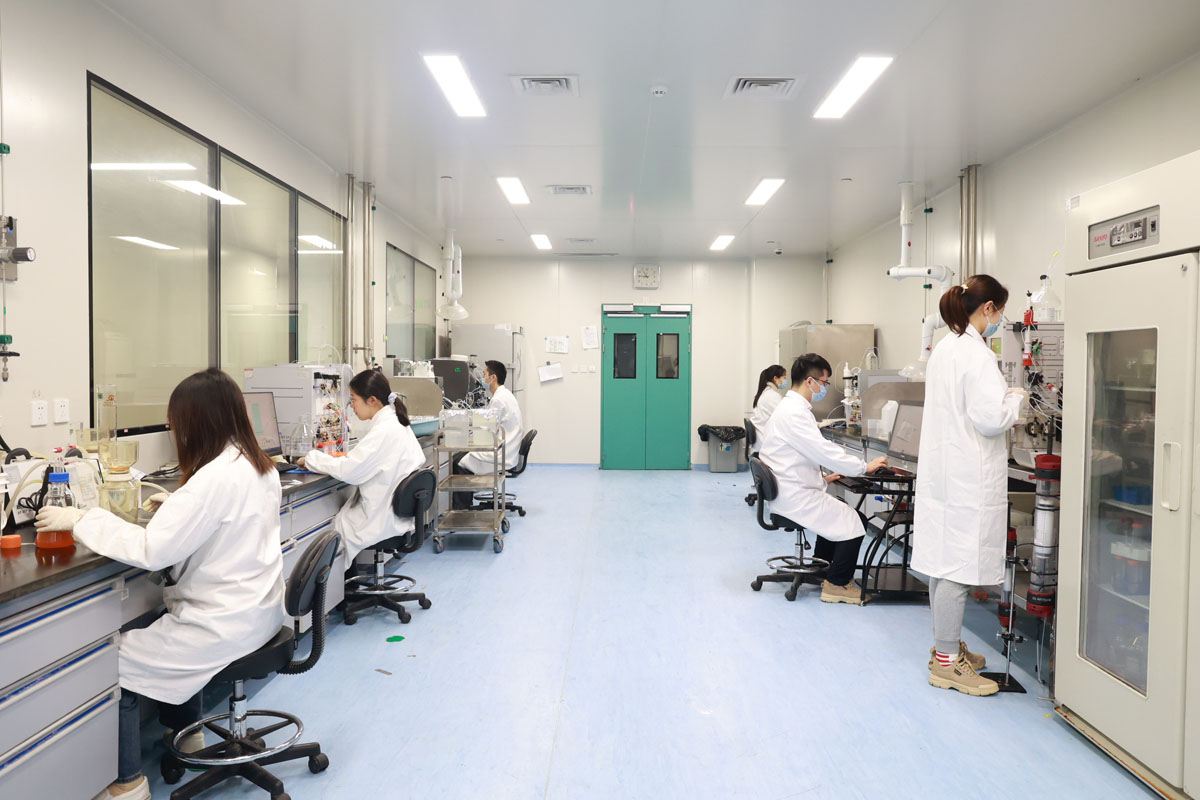
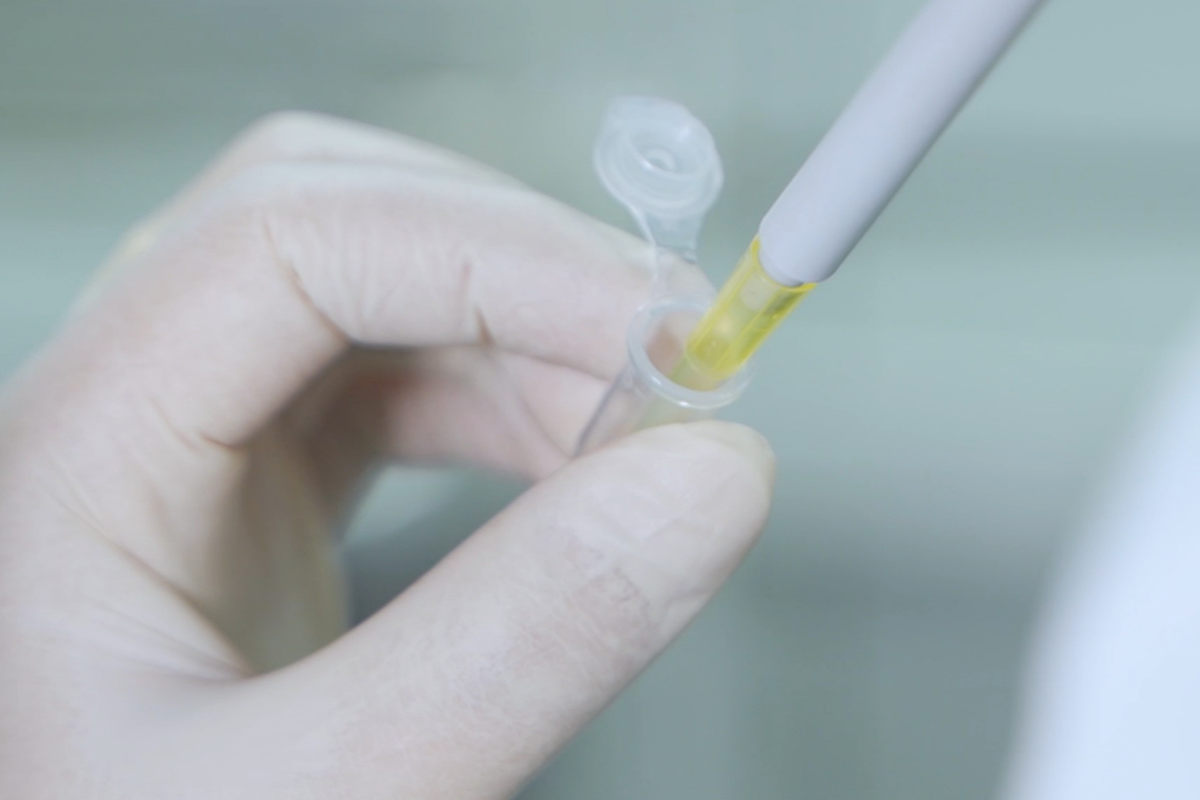
To address unmet application demands in the market, this platform leverages bioinformatics, protein engineering, enzyme engineering, molecular biology, and other advanced tools to rationally design and modify existing raw materials. This approach enhances the functionality of conventional cosmetic ingredients, enabling new qualitative improvements. Through fully rational design, novel molecules are developed to uncover new efficacious cosmetic raw materials, expand the development of core cosmetic ingredients, and provide feasibility for achieving multiple skincare benefits.
-
-
Medical Aesthetic Ingredient Molecular Design Platform
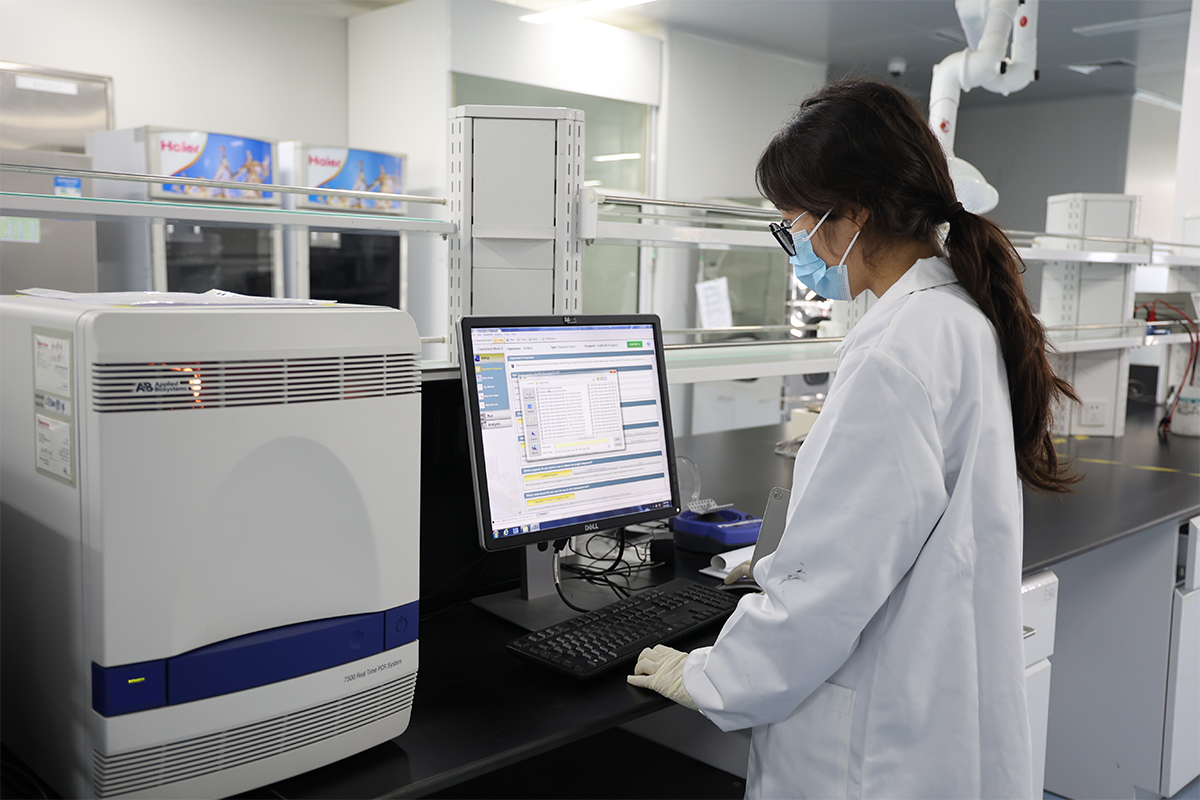
Rational design and modification of existing medical aesthetics ingredients, leveraging techniques such as bioinformatics, protein engineering, enzyme engineering, and molecular biology, to achieve new functional empowerment and enhance application accessibility through engineering means, or to discover novel functional ingredients through full rational design of entirely new artificial material molecules, thereby expanding new directions and fields for the application of medical aesthetics ingredients.
-
-
Biomaterial Molecular Design Platform
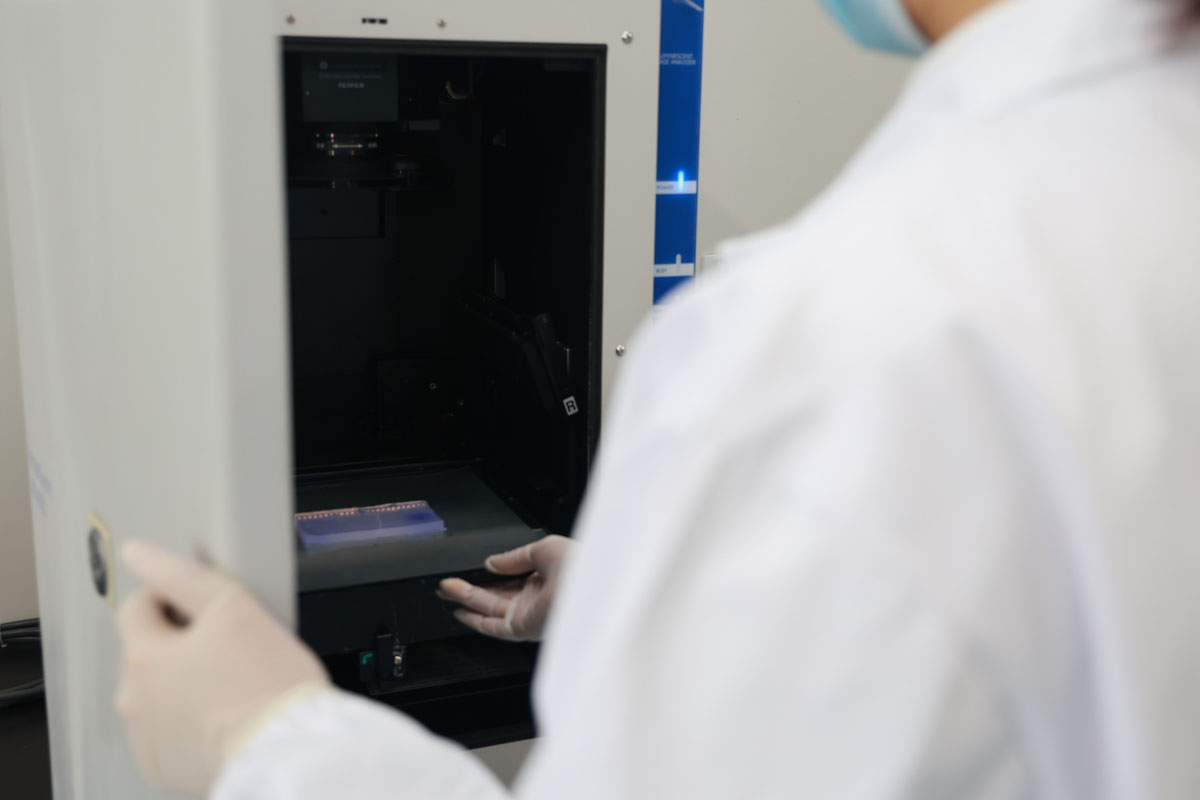
In response to unmet clinical or market application needs, this platform leverages bioinformatics, protein engineering, enzyme engineering, molecular biology, and other advanced approaches to rationally design and modify existing biomaterials. This process enables conventional biomaterials to gain new functional properties, while engineering methods are employed to enhance their applicability and accessibility. Additionally, through fully rational design, entirely novel artificial biomaterial molecules can be created, facilitating the discovery of new functional biomaterials and expanding the application directions and fields of biomaterials.
-
-
Cosmetic Skincare Product Development Platform
The Cosmetic Skincare Product Development Platform is dedicated to the research, development, filing, and production of specialized skincare and beauty products, primarily based on recombinant collagen, polysaccharides, and their composite materials. Leveraging proprietary processing techniques, formulation optimization methods, and an innovative raw material application technology platform, with a core focus on minimalism and efficiency, the platform conducts comprehensive development processes ranging from small-scale R&D and scaled-up production to licensing and product filing. This enables the commercialization of the company's distinctive cosmetic skincare products.
-

-
Medical Aesthetic Bionic Tissue Engineering Platform
The Bionic Tissue Engineering Platform integrates the company's technical expertise in genetic engineering and material preparation to perform bionic design of aesthetic materials from both compositional and structural perspectives. By utilizing raw materials produced through genetic recombination that match the composition of target tissues, the platform achieves bionic value. Material filling based on this approach can sculpt ideal contours while inducing cell spreading, migration, proliferation, and differentiation, thereby accelerating facial tissue repair and reconstruction and delivering aesthetic shaping effects.
-
-
Bioengineering Raw Material Preparation Platform
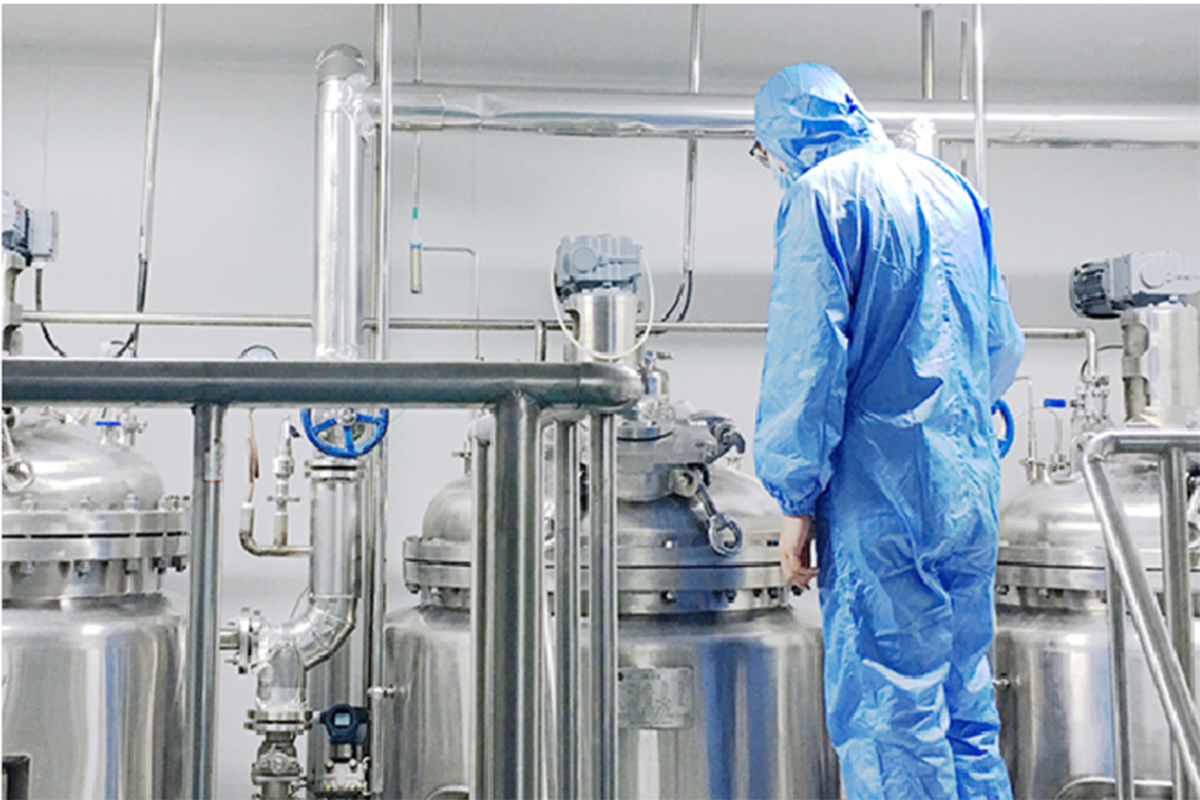
The company has established a mature bioengineering material preparation platform, possessing deep technical expertise and extensive development experience in the two mainstream tools of microbial and mammalian cell systems. The platform is capable of independently completing the entire process, from initial design and small-scale process development to pilot-scale production, tailored to the specific application scenarios and technical requirements of different biomaterials. It enables the preparation of bio-based raw materials ranging from gram to kilogram scale, meeting the needs of small-scale development and clinical trials for functional biomaterials.
-
-
Medical Aesthetic New Material Product Development Platform
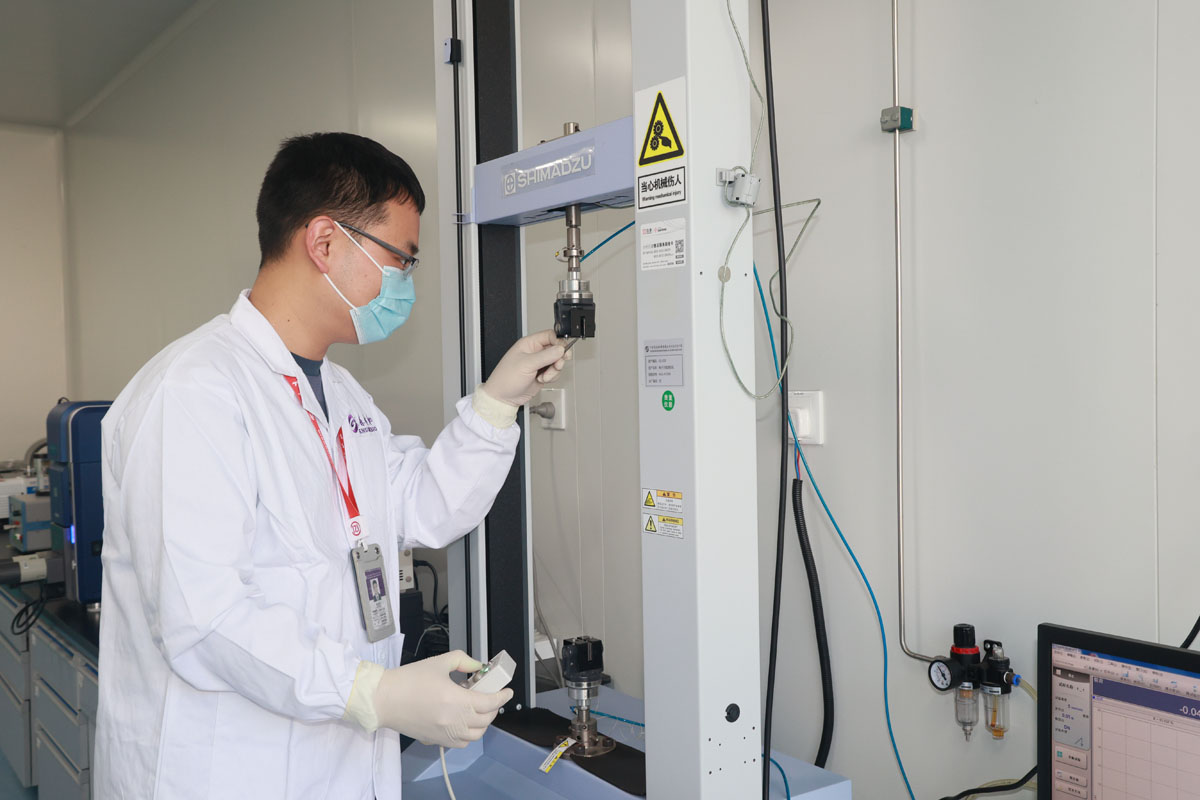
The Medical Aesthetic New Material Product Development Platform is dedicated to the research, development, registration, and production of specialized aesthetic products, primarily based on recombinant collagen, polysaccharides, and their composite materials. Leveraging proprietary processing techniques such as freeze-drying and cross-linking, along with an innovative new material application technology platform for medical aesthetics, the platform conducts comprehensive development processes spanning from small-scale and pilot-scale research to registration testing, clinical trials, registration submissions, and production licensing. This enables the commercialization of the company's proprietary new materials for medical aesthetics.
-

-
Nano-Bionic Tissue Engineering Platform
The Nano-Bionic Tissue Engineering Platform integrates the company's technical capabilities in genetic engineering and material preparation to perform bionic design of tissue engineering repair materials from both compositional and structural perspectives. Based on raw materials produced through genetic recombination that match the composition of the target tissue, the platform analyzes tissue structures across multiple scales, with a focus on the nanoscale. Utilizing a variety of material preparation techniques, it achieves nano-bionic mimicry, thereby inducing and promoting cell spreading, migration, proliferation, and differentiation. This accelerates tissue repair and reconstruction, offering an optimal solution for tissue regeneration.
-
-
Biomaterial Product Development Platform
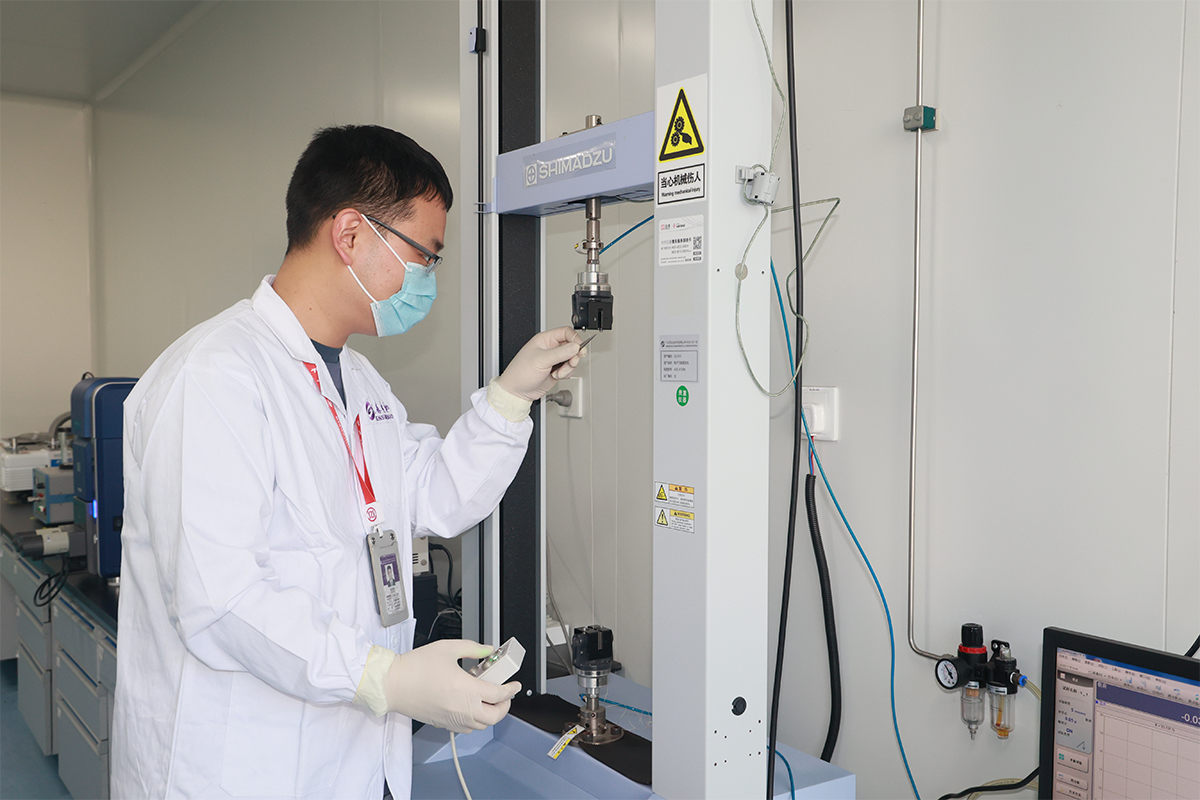
The Biomaterial Product Development Platform is dedicated to the research, development, registration/filing, and production of four major series of specialty products, including implantable Class III medical devices, drug-device combinations, medical aesthetic products, and cosmetics, primarily based on recombinant proteins, polysaccharides, and composite materials. Leveraging departmental expertise in nano-bionic tissue engineering and innovative biomaterial application technologies—such as freeze-drying, wet spinning, and electrospinning—the platform conducts comprehensive development processes ranging from small-scale and pilot-scale research to registration testing, clinical trials, registration submissions, and production licensing. This enables the commercialization of the company's proprietary innovative biomaterials.

